

Accomplishing the German B1 telc Certificate: A Gateway to Fluency and Chance
In a progressively interconnected world, learning a second language is no longer simply a hobby-- it's a gateway to new cultural, professional, and academic opportunities. For those browsing the German-speaking world, getting the German B1 telc certificate is an important turning point. This commonly acknowledged certification functions as proof of one's proficiency in German at the intermediate level, opening doors to career advancements, instructional pursuits, and combination into German-speaking societies. However what exactly is the B1 telc certificate, and why is it so impactful? Let's explore the basics.
What is the German B1 telc Certificate?
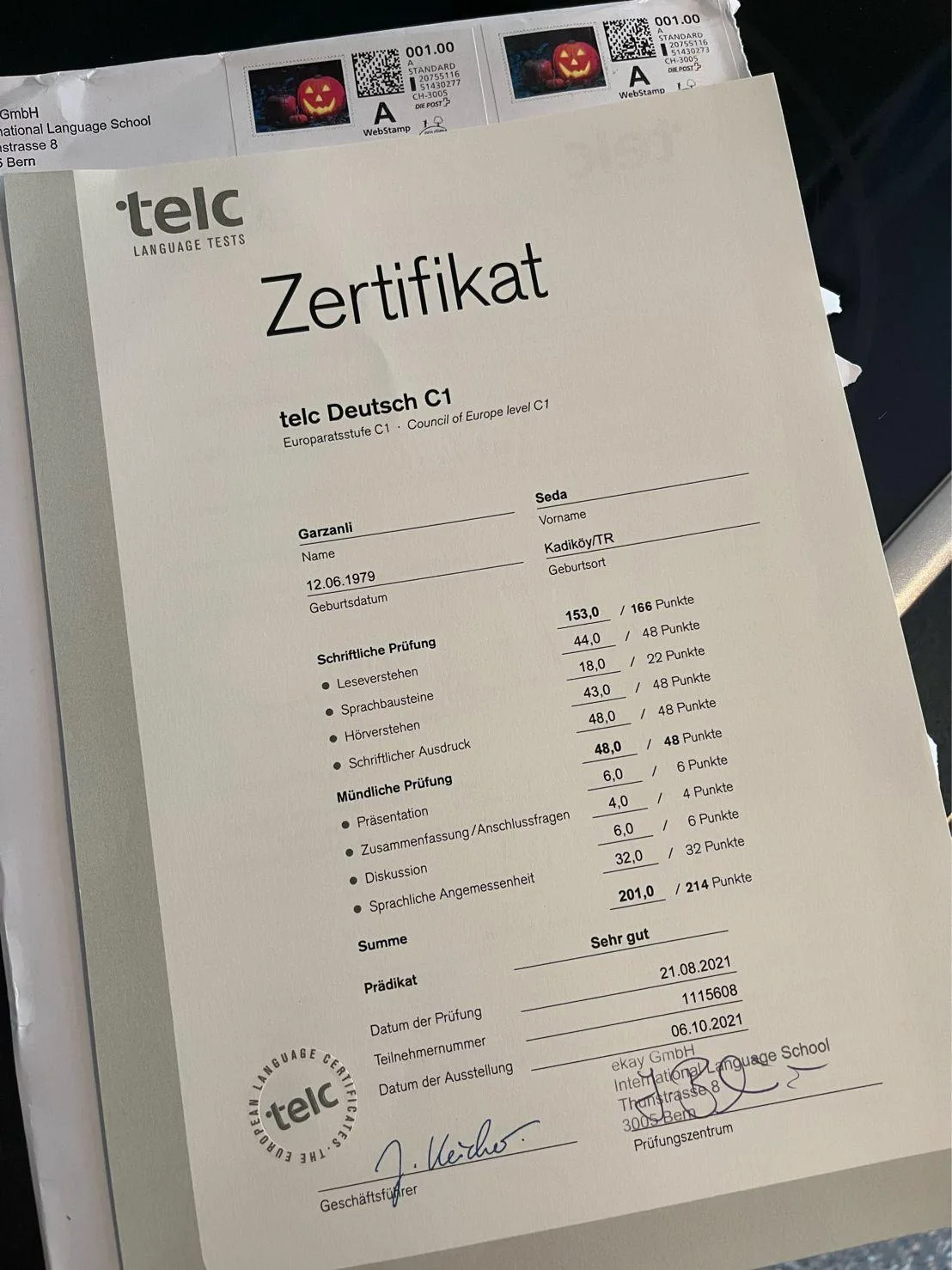
The German B1 telc (The European Language Certificates) accreditation is a standardized language exam designed to examine the intermediate proficiency of non-native German speakers. The B1 level, based on the Common European Framework of Reference for Languages (CEFR), represents a phase of development where students can communicate effectively in daily scenarios. They can understand and use German for regular conversations, reveal individual viewpoints, and navigate typical social and professional scenarios with confidence.
The B1 telc evaluation is particularly structured to reflect practical language usage, highlighting real-world interaction skills rather than theoretical grammar understanding. The exam examines test-takers across 4 essential areas-- reading, writing, listening, and speaking-- making sure a well-rounded evaluation of their language capabilities.
Who Should Take the B1 telc Exam?
The German B1 telc certificate is ideal for:
Non-native German speakers aiming to advance their education: Many German universities and occupation schools need a B1-level certification for enrollment in specific programs.
Immigrants looking for German residency or citizenship: The B1 telc certificate is frequently an obligatory requirement for people requesting long-term residency or citizenship in Germany. It shows that the applicant has actually successfully incorporated into the language and culture of the country.
Specialists aiming for career development: Germany is an economic powerhouse, and speaking German at an intermediate level can be an important asset in the task market. Whether you're a healthcare employee, engineer, or competent tradesperson, a B1 certificate shows companies that you can communicate successfully with colleagues, customers, and customers.
Language enthusiasts: For learners who have been studying German for some time, attaining the B1 level is a satisfying personal accomplishment that validates their difficult work and effort.
What Does the German B1 telc Exam Cover?
The B1 telc exam is composed of two main parts: the written exam and the oral exam.
Written Exam: This part typically lasts about 2.5 hours and evaluates several skills:
Checking Out Comprehension: Test-takers should demonstrate their capability to understand various types of composed texts, such as informative posts, letters, and guidelines. The questions evaluate understanding of key concepts and details.
Listening Comprehension: Participants listen to conversations, announcements, or other audio products and address related concerns. The focus is on understanding both the overall meaning and specific info.
Composed Expression: Whether it's an e-mail, letter, or brief essay, composing jobs evaluate the prospect's ability to interact effectively and coherently in written German.
Oral Exam: Typically carried out in small groups, the speaking part tests participants on their ability to take part in spontaneous conversation, present viewpoints, and react to real-life circumstances. For b1 telc zertifikat , candidates might be asked to discuss their hobbies, describe a past experience, or role-play a scenario like booking a hotel room.
How to Prepare for the B1 telc Exam
Success in the B1 telc exam requires tactical preparation. Here are some ideas for striving prospects:
Understand the Format: Familiarize yourself with the structure of the exam. Take practice tests to understand what to anticipate in each area and time yourself to enhance your speed and accuracy.
Concentrate On Key Skills: Since the exam assesses reading, listening, writing, and speaking, commit time to reinforcing all 4 areas. Usage e-books, podcasts, and language finding out apps for diverse study materials.
Broaden Your Vocabulary: A strong vocabulary is vital at the B1 level. Discover words and phrases appropriate to everyday circumstances, professional subjects, and individual interests. Flashcards and language apps like Anki or Memrise can be valuable tools.
Practice Speaking: Confidence in speaking features practice. Sign up with language exchange groups, enroll in conversational workshops, or practice speaking with a friend or tutor. Aim for fluency over excellence-- having the ability to interact your concepts successfully is more vital than grammatically flawless sentences.
Seek Professional Guidance: Enroll in a preparatory course particularly developed for the telc B1 exam. Numerous language schools in Germany and worldwide deal such courses, offering structured guidance and specialist feedback.
Immerse Yourself in German: The best method to learn a language is to live it. Watch German films, read papers, listen to radio programs, and engage in conversations with native speakers any place possible.
Why is the B1 telc Certificate Important?
Beyond personal fulfillment, the German B1 telc certificate has immense practical worth:
Cultural Integration: For newcomers to Germany, mastering the language at the B1 level assists in smoother interactions in daily life, from grocery shopping to getting involved in neighborhood events.
Educational Access: Many academic and occupation institutions in Germany require B1-level German to guarantee students can be successful in a German-speaking academic environment.
Legal Residency and Citizenship: Germany's integration laws often mandate evidence of intermediate language skills for individuals making an application for residency or citizenship. The B1 certificate ensures compliance with these legal requirements.
Profession Advancement: In a worldwide job market, exceling in an additional language sets you apart. The B1 telc certificate is a testimony to your ability to work and interact successfully in a German-speaking work environment.
Final Thoughts
The German B1 telc certificate is much more than a paper-- it is evidence of your hard work, perseverance, and dedication to mastering the German language. Whether you are pursuing academic opportunities, enhancing your career, or incorporating into German society, this intermediate-level certification is a stepping stone to your goals.
With the right preparation and frame of mind, the B1 level is within reach. So, seize the opportunity, prepare diligently, and take this essential action toward opening a world of possibilities in the German-speaking world!