

Understanding the TELC German B1 Certificate: A Gateway to Language Proficiency
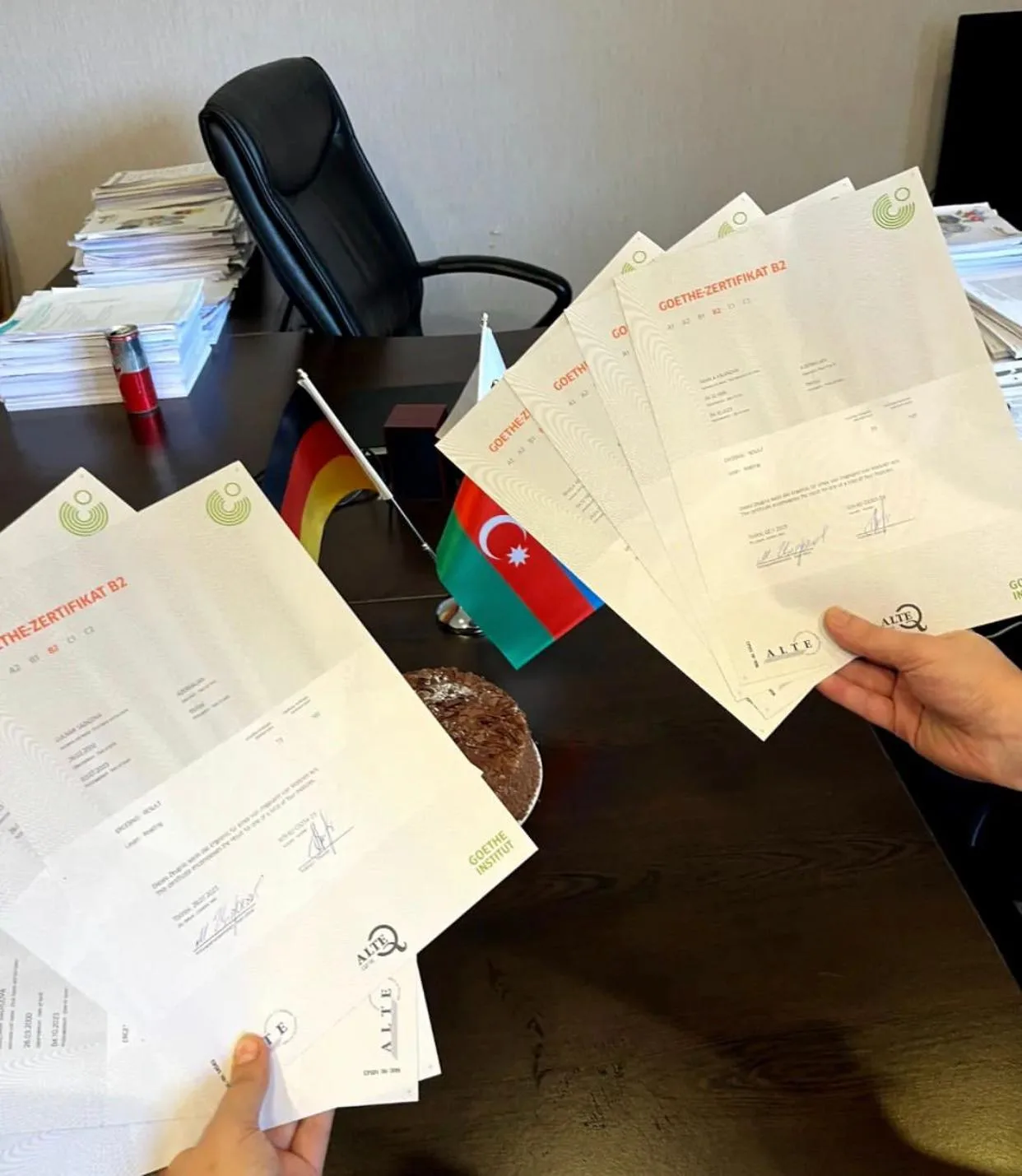
The TELC German B1 certificate is a globally acknowledged credentials that evaluates a prospect's German language efficiency at the B1 level, as defined by the Common European Framework of Reference for Languages (CEFR). Whether you are looking to work or study in a German-speaking nation or wanting to enhance your interaction abilities, obtaining this certificate proves you have actually successfully obtained intermediate-level German abilities. Here's what you need to learn about TELC German B1 and how it can impact your personal and professional objectives.
What is the TELC German B1 Certificate?
TELC (The European Language Certificates) is a prestigious language testing system that offers accreditations in over 10 various languages, including German. The exams are developed with particular CEFR levels in mind, guaranteeing that your language abilities are objectively evaluated based on global requirements.
The B1 certificate tests your capability to interact efficiently in familiar, everyday scenarios. This level demonstrates that you can deal with most common language scenarios in both composed and spoken formats. A TELC German B1 certificate is typically a requirement for people seeking residency in Germany or wishing to operate in positions that need foundational interaction skills. Lots of universities and migration offices also acknowledge this accreditation.
Exam Structure and Focus Areas
The TELC German B1 exam is divided into 2 primary areas: Written Exam and Oral Exam
1. Composed Exam
The composed area examines your listening, reading, and composing abilities.
Listening (Approx. 20 Minutes): You are needed to comprehend discussions and statements in everyday German.
Checking Out (90 Minutes): This section examines your ability to comprehend written texts, ranging from newspaper short articles to everyday correspondence like e-mails.
Writing (30 Minutes): You need to produce a written piece, such as a brief letter or email, showing precise grammar and vocabulary.
2. Oral Exam.
The oral exam normally lasts around 15 minutes. It evaluates your capability to speak German in scenarios like introducing yourself, talking about familiar topics, and reacting to concerns in a clear and concise manner. Preparation time of 15-20 minutes is typically provided before the speaking test commences.
Why is the TELC German B1 Certificate Important?
1. Acknowledgment and Credibility
As the TELC German B1 accreditation abides by CEFR requirements, it is extensively accepted not simply throughout Germany but likewise in other German-speaking countries such as Austria and Switzerland. Employers, universities, and migration authorities rely on TELC certificates as evidence of a prospect's language abilities.
2. Assists in Integration
If you are preparing to live in Germany long-term, achieving the B1 level is a crucial action towards integration. The German federal government frequently needs non-native speakers to show language efficiency at this level for irreversible residency or citizenship applications.
3. Opens Job Opportunities
Lots of companies in German-speaking nations choose employing individuals who can interact effectively in German. While greater levels of efficiency might be needed for technical or academic fields, the B1 level is typically enough for customer support, retail, and entry-level administrative roles.
4. Supports Academic Pursuits
For trainees preparing to attend preparatory courses (Studienkolleg) or trade training programs in Germany, the B1 certificate is a significant benefit. While universities frequently need higher language levels like B2 or C1 for direct admission, having a B1 accreditation establishes a strong structure for progression.
Getting ready for the TELC German B1 Exam
1. Comprehend the Format
Acquaint yourself with the structure of the test by reviewing sample exams and practice concerns. This will assist you understand what to expect on test day and handle your time efficiently.
2. Construct Your Vocabulary
Being able to converse with complete confidence and compose plainly at the B1 level requires building an extensive active vocabulary. Concentrate on topics like travel, household, hobbies, work, and everyday social interactions.
3. Practice Regularly
Constant practice is crucial. Take part in speaking, listening, and composing activities every day. Viewing German television programs, listening to podcasts, and checking out posts can likewise boost your understanding skills.
4. Sign Up With a Preparation Course
Numerous language schools and online platforms use TELC preparation courses. These classes often offer structured assistance, mock tests, and individualized feedback to assist you attain your preferred outcomes.
5. Usage Self-Study Resources
Various self-study books and online resources are readily available for TELC B1 preparation. Some popular alternatives consist of the "TELC Deutsch B1: Übungsbuch" and "Mit Erfolg zum TELC Deutsch B1."
Cost and Registration
The cost of the TELC German B1 exam varies depending on your test center, usually varying in between EUR100 and EUR200. Assessments are held year-round at licensed test centers worldwide. telc zertifikat deutsch b1 and due dates might differ, so talk to your regional test center for specific details.
Conclusion
The TELC German B1 certificate is more than simply a credentials-- it's a testament to your commitment to learning the German language and your ability to prosper in a German-speaking environment. Whether for work, study, or individual growth, earning this certification can open doors to brand-new chances and assist you incorporate perfectly into the culture and society of Germany. So, if you're aiming to improve your German language abilities, taking the TELC German B1 exam is an outstanding method to begin your journey towards fluency.
By obtaining this certificate, you're not simply proving your language proficiency-- you're setting yourself up for success in an adjoined, globalized world where language understanding can make all the difference.